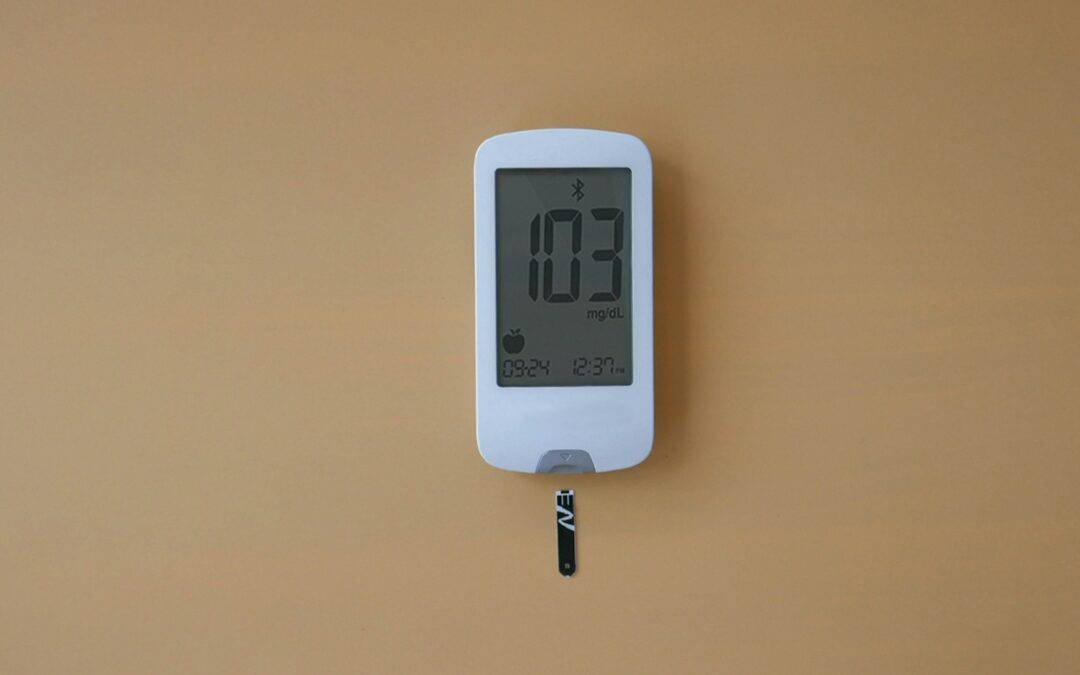
More than 77 million people in India live with type 2 diabetes — and most of them are managed not by specialists or endocrinologists but by a well-trained, experienced general physician who knows them well enough to spot the early signs of complications, adjust medications before they become inadequate, and guide the lifestyle changes that make the difference between controlled and uncontrolled blood sugar over years and decades.
If you are searching for a diabetes doctor in Gachibowli, you do not need a specialist hospital across town. You need a GP you trust, who is thorough, who explains things clearly, and who monitors your HbA1c, kidney function, eyes, feet, and blood pressure at the right intervals. Dr. Ram Kumar (MBBS, MD General Medicine, MPH USA) has been managing diabetes in Gachibowli, Nanakramguda, Financial District, Kondapur, and surrounding areas for years — with a systematic, monitoring-based approach that reflects the standards of urban diabetes care.
This page explains what diabetes care with Dr. Ram Kumar actually looks like: what a first diabetes consultation involves, what tests you will need, how medications are selected and adjusted, what complications are screened for and when, and when you would need referral to a specialist.
Why Are Indians at Such High Risk of Diabetes?
South Asians — including Indians — are uniquely vulnerable to type 2 diabetes compared to any other ethnic population. Indians develop diabetes at a younger age, at lower body weights, and with more severe insulin resistance relative to their BMI than Caucasians. Key reasons:
- Genetic predisposition — several gene variants highly prevalent in South Asian populations directly impair pancreatic beta-cell function (the cells that produce insulin)
- Visceral adiposity — Indians tend to accumulate fat predominantly around abdominal organs (visceral fat) even at apparently normal BMI; this visceral fat is highly metabolically active and drives insulin resistance
- “Thin-fat Indian” phenotype — many Indians have a high body fat percentage despite a normal or only mildly elevated BMI, creating metabolic obesity without apparent obesity
- High carbohydrate diet — the traditional Indian diet is heavily carbohydrate-based; refined carbohydrates (white rice, maida, sugar) dominate many urban Hyderabadi diets
- Physical inactivity — rising sedentary IT-sector employment in Hyderabad and declining traditional physical activity
- Early nutritional programming — low birth weight infants who subsequently “catch up” in weight are at dramatically elevated diabetes risk in adulthood
These factors together mean that Indian diabetes management cannot simply copy Western protocols — it requires Indian-calibrated targets, Indian food guidance, and earlier, more aggressive treatment of risk factors.
Your First Diabetes Appointment — What to Expect
Whether you have just received a diabetes diagnosis for the first time, or you have been managing diabetes elsewhere and are looking for ongoing care close to Gachibowli, the first appointment with Dr. Ram Kumar follows a structured process:
Medical History
Dr. Ram Kumar will ask about: when the diagnosis was made, what symptoms (if any) prompted testing, current and past medications and any side effects, blood sugar readings you have recorded, diet and exercise habits, alcohol and tobacco use, family history of diabetes and cardiovascular disease, other medical conditions (hypertension, thyroid, kidney disease), and any history of hypoglycaemia (low blood sugar) episodes.
Physical Examination
A thorough physical examination includes: weight, height, and BMI; waist circumference (the most clinically relevant measurement for South Asian metabolic risk — target below 90cm for men, below 80cm for women); blood pressure; pulse rate and rhythm; examination of the feet (sensory testing with a monofilament, pulse assessment, inspection for ulcers or calluses); and fundoscopy if equipment is available or referral for dilated eye examination.
The Baseline Investigation Package
Every new diabetes patient undergoes a structured baseline investigation panel:
| Investigation | Why It Is Needed |
|---|---|
| Fasting blood glucose + 2-hour post-prandial | Confirms diagnosis; baseline measurement for monitoring |
| HbA1c | Reveals average blood sugar control over the past 3 months; sets the initial treatment target |
| Fasting lipid profile (LDL, HDL, TG) | Cardiovascular risk assessment; dyslipidaemia is extremely common in type 2 diabetes |
| Urine microalbumin / albumin-to-creatinine ratio (ACR) | Earliest detectable sign of diabetic kidney disease; present before creatinine rises |
| Serum creatinine and eGFR | Kidney function; affects choice and dosing of diabetes medications |
| Liver function tests (SGPT, SGOT) | Non-alcoholic fatty liver disease is very common in diabetics; relevant for medication choices |
| TSH (thyroid function) | Hypothyroidism is common in Indian women with diabetes and worsens glucose control |
| Complete blood count | Anaemia of chronic disease; B12 deficiency (particularly in patients on metformin) |
| Vitamin B12 | Metformin impairs B12 absorption over time; baseline and monitoring recommended |
| Vitamin D | Severe deficiency is very common in urban Indians and directly worsens insulin resistance |
| ECG (in patients over 40 or with cardiac symptoms) | Cardiovascular disease screening; diabetes doubles cardiovascular risk |
Understanding Your Blood Sugar Targets
Diabetes targets are personalised — the same HbA1c target is not appropriate for a 35-year-old newly diagnosed patient with no complications and a 75-year-old with heart disease. Dr. Ram Kumar sets targets individually, but standard starting points are:
| Measure | Target for Most Type 2 Diabetics | Relaxed Target (Elderly/Complex Patients) |
|---|---|---|
| HbA1c | Below 7.0% (53 mmol/mol) | 7.5–8.0% |
| Fasting blood glucose | 80–130 mg/dL | 90–150 mg/dL |
| 2-hour post-meal glucose | Below 180 mg/dL | Below 200 mg/dL |
| Blood pressure | Below 130/80 mmHg | Below 140/90 mmHg |
| LDL cholesterol | Below 70 mg/dL (if high cardiovascular risk) | Below 100 mg/dL (lower risk) |
For detailed HbA1c interpretation and what different levels mean for your treatment plan, see: What Is HbA1c? Normal Range, Target Levels and What to Do If Yours Is High.
The Diabetes Medication Cascade
Dr. Ram Kumar follows a structured, evidence-based medication approach. The key principle is: start with the safest, most effective, and least expensive medication; add agents stepwise as needed — while keeping side effect burden low and addressing cardiovascular risk alongside glucose control.
Step 1: Lifestyle Modification — Always First, Never Optional
Before prescribing any medication, Dr. Ram Kumar establishes the dietary and lifestyle foundation. For patients with early or mild type 2 diabetes (HbA1c below 7.5%), a 3-month structured lifestyle modification trial — reducing refined carbohydrates, introducing millets, increasing vegetable intake, 30-minute daily walk — can achieve HbA1c targets without medication in a proportion of patients. Medication is not delayed where HbA1c is significantly above target or where the patient has symptomatic hyperglycaemia. For the full Indian diabetes diet guide: Managing Diabetes Through Diet: A Practical Guide for Indian Patients.
Step 2: Metformin — The Cornerstone of Type 2 Diabetes Treatment
Metformin (Glycomet, Obimet, Glucophage) remains the first-line medication for type 2 diabetes in almost all patients without kidney impairment. It is safe, effective, inexpensive, and has the largest evidence base of any diabetes drug. It reduces HbA1c by approximately 1–1.5%, does not cause hypoglycaemia, and has mild weight-neutral or weight-reducing effects. Dr. Ram Kumar starts metformin at 500mg once or twice daily with meals and increases gradually to reduce GI side effects. Extended-release metformin (Glycomet SR) significantly reduces nausea and diarrhoea.
Important: Metformin should be temporarily stopped before contrast-enhanced CT scans and major surgery (kidney protection). Long-term metformin use requires annual Vitamin B12 monitoring and supplementation where levels fall.
Step 3: Adding a Second Agent — Personalised Choice
When metformin alone is insufficient after 3 months at target dose, Dr. Ram Kumar adds a second medication. Selection depends on cardiovascular risk, kidney function, weight, hypoglycaemia risk, and cost:
- SGLT2 inhibitors (empagliflozin, dapagliflozin, canagliflozin) — increasingly the preferred second agent in patients with established cardiovascular disease or chronic kidney disease; proven to reduce heart failure hospitalisations and slow kidney disease progression; cause modest weight loss; well tolerated. Available in India at reasonable cost.
- GLP-1 receptor agonists (semaglutide, liraglutide, dulaglutide) — injectable weekly or daily; significant HbA1c reduction plus substantial weight loss (particularly relevant for obese Indian patients); proven cardiovascular benefit. Cost is the main limitation in India.
- DPP-4 inhibitors (sitagliptin/Januvia, vildagliptin/Galvus, teneligliptin) — oral, once daily, well tolerated, no hypoglycaemia risk; widely used in India as second-line agents; modest HbA1c reduction (~0.5–0.7%)
- Sulphonylureas (glimepiride, gliclazide) — inexpensive, effective, and widely used; risk of hypoglycaemia and weight gain; preferred where cost is a limiting factor. Gliclazide MR (Diamicron MR) has a lower hypoglycaemia risk than glibenclamide.
- Pioglitazone — improves insulin sensitivity; useful in patients with significant insulin resistance; risk of fluid retention and weight gain; check for bladder cancer history before use
Step 4: Insulin Therapy
Insulin is initiated when oral medications and lifestyle changes are insufficient to maintain blood sugar targets. Dr. Ram Kumar initiates insulin in patients with: HbA1c persistently above 9–10% despite maximising oral agents; symptomatic hyperglycaemia (polyuria, polydipsia, weight loss); hospitalisation for acute illness; or new-onset type 1 diabetes.
Common insulin regimens:
- Basal insulin (glargine/Lantus/Basalog, detemir) — once daily injection, typically at bedtime; provides stable overnight and fasting coverage; the safest starting insulin regimen with the lowest hypoglycaemia risk
- Premixed insulin (70/30, 75/25) — twice daily injections; convenient but less flexible
- Basal-bolus regimen — for patients requiring intensive insulin management; multiple daily injections; typically managed in partnership with endocrinology where needed
Dr. Ram Kumar provides detailed insulin injection technique training, dose self-titration guidance, and hypoglycaemia management education at the initiation visit.
Annual Diabetes Complication Screening — What Dr. Ram Kumar Checks Every Year
Diabetes damages blood vessels and nerves over time — producing complications that are largely preventable with good glucose and risk factor control, and largely treatable when detected early. Dr. Ram Kumar follows a structured annual screening protocol:
- HbA1c — every 3 months until target achieved; then every 6 months
- Urine ACR (microalbuminuria) — annually; the earliest sign of diabetic nephropathy
- Serum creatinine and eGFR — annually; kidney function monitoring
- Fasting lipid profile — annually; LDL target <70 mg/dL in high-risk patients
- Blood pressure — every clinic visit
- Foot examination — annually; monofilament sensory testing, pulse assessment, foot inspection; referral for podiatry if calluses, ulcers, or neuropathy are found. See: Diabetes Treatment in Gachibowli for the full complications guide.
- Dilated fundoscopy (eye examination) — annually for diabetic retinopathy screening; referral to ophthalmology if changes detected. Dr. Ram Kumar arranges ophthalmology referrals for patients due for screening.
- Vitamin B12 — annually in patients on metformin for more than 2 years
- Dental review — periodontal disease (gum disease) is significantly more severe in diabetics and worsens glycaemic control; annual dental check-up recommended
- Vaccination review — influenza vaccine annually; pneumococcal vaccine; hepatitis B vaccine (if not already immune)
Prediabetes — The Window of Opportunity
Prediabetes — defined as fasting blood glucose 100–125 mg/dL or HbA1c 5.7–6.4% — affects an estimated 130 million people in India and is the most important and most missed diagnosis in primary care. Every patient with prediabetes has a 5–10% annual risk of progressing to full diabetes — but this progression is not inevitable. Dr. Ram Kumar’s landmark Diabetes Prevention Programme approach for prediabetes patients in Gachibowli:
- 5–7% weight loss in overweight individuals reduces progression to diabetes by 58%
- 150 minutes of moderate exercise per week (30 minutes x 5 days) reduces progression by 58%
- Reducing refined carbohydrates and replacing with millets and whole grains
- Annual HbA1c monitoring to track whether prediabetes is stable, improving, or progressing
- Metformin may be added in high-risk prediabetes patients (age <60, BMI >35, or women with prior gestational diabetes)
Prediabetes is the window when the disease can genuinely be reversed. By the time full diabetes is diagnosed, significant beta-cell function has already been lost.
Managing Diabetes Alongside Other Conditions
Most patients with type 2 diabetes in Gachibowli also have one or more of the following, which Dr. Ram Kumar manages simultaneously:
- Hypertension — present in 60–80% of Indian type 2 diabetics. ACE inhibitors or ARBs are preferred first-line antihypertensives in diabetes due to their kidney-protective effects. See: Hypertension Treatment in Gachibowli.
- Dyslipidaemia — high triglycerides and low HDL are the most common lipid abnormalities in Indian diabetics. Statin therapy is indicated for most diabetics over age 40 with any cardiovascular risk factor. See: Cholesterol Treatment in Gachibowli.
- Thyroid disease — hypothyroidism is significantly more common in diabetic patients and worsens blood sugar control if untreated. See: Thyroid Treatment in Gachibowli.
- Obesity — central obesity drives insulin resistance; weight reduction improves glycaemic control more than any single medication in overweight type 2 diabetics
- Non-alcoholic fatty liver disease (NAFLD) — present in up to 70% of Indian type 2 diabetics; managed through weight loss, alcohol avoidance, and tight metabolic control
Frequently Asked Questions — Diabetes Doctor in Gachibowli, Hyderabad
What is the difference between a “diabetologist” and a “general physician” for diabetes care?
A diabetologist is an endocrinologist (or physician with specialised diabetes training) who manages complex, refractory, or complicated diabetes — type 1 diabetes, severe insulin resistance syndromes, complex insulin regimens, or diabetes with multiple organ complications. The vast majority of type 2 diabetes — which represents over 90% of all diabetes in India — can be comprehensively managed by an experienced general physician like Dr. Ram Kumar. The key is systematic monitoring, appropriate medication selection, and timely referral when specialist input is genuinely needed. Referring every routine type 2 diabetic to an endocrinologist is unnecessary and creates access problems for patients who genuinely need specialist care.
My fasting sugar is normal but my post-meal sugar is very high. Should I be worried?
Yes — isolated post-meal (post-prandial) hyperglycaemia is a genuine concern that is often missed when only fasting glucose is checked. Post-meal blood sugar above 200 mg/dL consistently indicates significant insulin secretory deficiency and is independently associated with cardiovascular complications. It needs to be addressed — either through dietary changes (smaller carbohydrate portions, millets instead of white rice), medications that specifically target post-meal glucose (DPP-4 inhibitors, short-acting sulphonylureas, GLP-1 agonists), or both. See: Blood Sugar 200 After Eating: What It Means and What to Do.
I have been told I have “borderline” diabetes. Do I need medication?
This depends on what “borderline” means. Prediabetes (fasting glucose 100–125 mg/dL, HbA1c 5.7–6.4%) typically does not require medication initially — structured lifestyle changes are the first-line intervention and are highly effective. If “borderline diabetes” means fasting glucose consistently above 126 mg/dL or HbA1c above 6.5%, this is actual diabetes — not borderline — and requires a proper management plan. Dr. Ram Kumar will clarify the diagnosis precisely and advise accordingly.
How often should I check my blood sugar at home?
The recommended home monitoring frequency depends on your treatment regimen. For patients on diet alone or oral medications without hypoglycaemia risk: fasting glucose 2–3 times weekly and occasional post-meal readings (2 hours after main meals) are sufficient. For patients on sulphonylureas or insulin: more frequent monitoring — at least twice daily (fasting and 2-hour post-meal) — helps your doctor adjust doses safely and identifies hypoglycaemia episodes. For patients on insulin: pre-meal and bedtime readings guide dose adjustments. Dr. Ram Kumar provides specific monitoring guidance tailored to each patient’s medication regimen at the consultation.
What are the early warning signs of low blood sugar (hypoglycaemia)?
Hypoglycaemia (blood sugar below 70 mg/dL) can occur in patients on sulphonylureas or insulin. Symptoms include: sweating, trembling, palpitations (early), and confusion, dizziness, or loss of consciousness (if severe). The immediate treatment for mild hypoglycaemia is the “Rule of 15”: take 15 grams of fast-acting carbohydrate — 3–4 glucose tablets, or 150 ml of regular (not diet) cold drink, or 1 tablespoon of honey or sugar — wait 15 minutes, then recheck blood glucose. If still below 70 mg/dL, repeat. For severe hypoglycaemia with altered consciousness, the patient needs glucagon injection or immediate emergency hospital care. Family members of patients on insulin or sulphonylureas should be trained in recognising and managing hypoglycaemia.
Related Health Guides
This article is for general health information only and is not a substitute for personal medical advice. In an emergency, call 112 or go to the nearest hospital.
Related Articles
- Diabetes Treatment in Gachibowli — Comprehensive Guide
- Managing Diabetes Through Diet: A Practical Guide for Indian Patients
- What Is HbA1c? Normal Range, Target Levels and What to Do If Yours Is High
- Blood Sugar 200 After Eating: What It Means and What to Do
- Can Diabetics Eat Biryani? A Hyderabad Doctor’s Honest Answer
- Hypertension Treatment in Gachibowli
- Cholesterol Treatment in Gachibowli
- Thyroid Treatment in Gachibowli
Trackbacks/Pingbacks