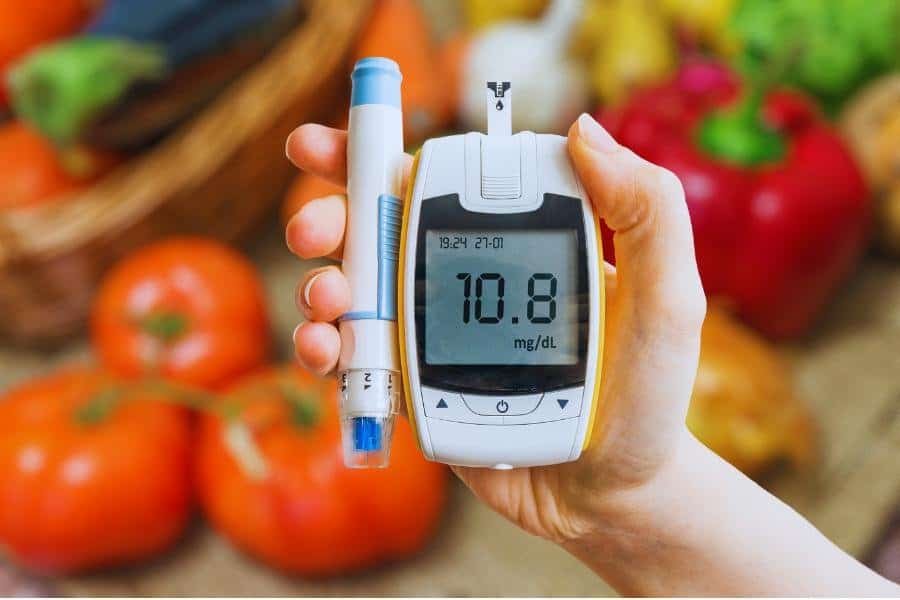
India has 77 million people living with diabetes — the second highest number in the world — and that number is rising faster than in almost any other country. The primary driver is not genetics alone. It is the rapid intersection of a genetically vulnerable population with an urbanising lifestyle built around carbohydrate-dense food, sedentary work, and abundant stress. The good news: dietary management is the single most powerful tool for controlling blood sugar in type 2 diabetes, and the Indian food tradition — despite its carbohydrate load — contains an extraordinary wealth of low-GI grains, legumes, vegetables, spices, and fermented foods that can be assembled into a genuinely effective diabetic diet without abandoning Indian food culture.
This comprehensive guide from Dr. Ram Kumar covers the principles, the food lists, the myths, the practical strategies, and the sample meal plans for managing diabetes through an Indian diet — with separate guidance for vegetarians, non-vegetarians, and working professionals.
Why Indians Are Uniquely Vulnerable to Diabetes
The South Asian or “Asian Indian Phenotype” describes a set of metabolic characteristics that make Indians more susceptible to type 2 diabetes compared to Western populations at the same level of obesity:
- Higher body fat at the same BMI — an Indian person with a BMI of 23 typically has significantly more body fat (particularly abdominal visceral fat) than a Caucasian person at the same BMI. The standard Indian obesity thresholds are BMI above 23 (overweight) and above 25 (obese) — lower than the Western 25/30 thresholds.
- Higher abdominal adiposity — Indians accumulate fat disproportionately around the abdominal organs (visceral fat), even when arms and legs appear normal. Visceral fat is far more metabolically active and harmful than subcutaneous fat, driving insulin resistance and dyslipidaemia.
- Earlier onset of cardiovascular disease — Indians develop heart disease a decade earlier than Western populations; the insulin resistance of early diabetes is a major contributing factor
- Higher Lipoprotein(a) — a genetic cardiovascular risk factor prevalent in South Asians
- Lower beta-cell reserve — the pancreatic beta cells that produce insulin are less resilient in South Asians; once insulin demand increases with obesity or ageing, they fail earlier
These factors mean that dietary and lifestyle intervention must begin at a lower threshold of overweight than Western guidelines suggest, and the carbohydrate targets appropriate for an Indian diabetic may be stricter than for a Western patient at the same HbA1c level.
The Indian Carbohydrate Challenge
Traditional Indian diets derive 65–75% of total calories from carbohydrates — significantly above the 45–55% recommended for diabetics. This is not unique to any region: North Indian rotis and rice; South Indian rice-based tiffin and rice meals; East Indian rice and dal; West Indian bajra rotis and rice — carbohydrates are the foundation of every Indian regional diet. Combined with the shift toward refined carbohydrates (white rice replacing parboiled, maida replacing whole wheat, packaged snacks replacing whole foods), this creates an exceptionally high glycaemic dietary burden for the average urban Indian.
The solution is not to become carbohydrate-phobic or to eliminate all rice and wheat. Such advice is culturally unsustainable and not clinically necessary for most type 2 diabetics. The solution is: reduce overall carbohydrate proportion to 50–55% of calories; replace high-GI refined carbohydrates with low-GI whole grains and millets; always combine carbohydrates with protein, fat, and fibre at every meal; control portion size; and eat carbohydrates at the end of a meal, not the beginning.
The Eating Order Principle — A Simple, Powerful Tool
This is one of the most underutilised blood sugar management tools. Multiple clinical studies (including a landmark study from Weill Cornell Medical College) have demonstrated that eating food in a specific order within a meal dramatically reduces the post-meal glucose peak:
- First: Vegetables and salad — raw salad, sabzi, or any non-starchy vegetable; fibre from vegetables slows the digestion of everything eaten after
- Second: Protein — dal, egg, paneer, chicken, fish; protein stimulates early insulin secretion and slows gastric emptying
- Third: Carbohydrates last — rice, roti, or other grain; by the time carbohydrate reaches the intestine, it is entering a slower digestive environment created by the food already there
Eating roti or rice first (as most Indians do, since rice or roti is poured first in a thali) produces a higher and faster glucose peak than eating the same meal in the reverse order. Patients who implement this simple change — without reducing the food they eat — often see meaningful improvements in their post-meal blood glucose readings within 2–4 weeks.
Indian Foods GI Guide — Complete Reference
Eat Freely (Low GI, High Fibre — Foundation of the Diabetic Diet)
- All non-starchy vegetables: palak (spinach), methi, gongura, cabbage, cauliflower, brinjal (baingan), bottle gourd (lauki/sorakaya), ridge gourd (beerakaya), bitter gourd (karela/kakarakaya), okra (bhindi), capsicum, tomato, cucumber, cluster beans, drumstick (munakka), pumpkin, ash gourd, colocasia leaves (arbi patta)
- All dals and legumes: toor dal, moong dal, chana dal, masoor dal, urad dal, rajma (kidney beans), chana (chickpea), matki (moth beans), cowpeas (lobia), sprouted legumes
- Curd (dahi), buttermilk (chaas/majjiga), plain low-fat milk
- Eggs, chicken (non-skin), fish
- Guava, pear, apple, pomegranate, kiwi (low GI fruits)
- All nuts (almonds, walnuts, groundnuts, cashews in moderate quantities)
- Seeds: chia, flax (alsi), pumpkin, sesame (til)
- Barley (jau) — the lowest-GI grain commonly available in India
- All herbs and spices — no restriction
Eat in Controlled Portions (Moderate GI — The Core of Meals)
| Food | GI | Appropriate Portion |
|---|---|---|
| Whole wheat chapati | 55–62 | 2 small (60g dry flour) |
| Multigrain roti (wheat + ragi + jowar) | 45–55 | 2 small |
| Ragi (finger millet) roti or mudde | 68 | 1 small portion |
| Bajra (pearl millet) roti | 54–56 | 2 small |
| Jowar (sorghum) roti | 55 | 2 small |
| Basmati rice (cooked) | 50–58 | 1 small katori (100g cooked) |
| Brown rice (cooked) | 50–55 | 1 small katori |
| Idli (fermented) | 35–40 | 3–4 small |
| Dosa (traditional fermented) | 50–65 | 1 plain dosa |
| Upma (suji) | 40–50 | 1 small katori |
| Oats (rolled) | 40–55 | 40–50g dry |
| Poha (flattened rice) | 55–65 | 1 small katori |
| Paneer | 25–30 | 50–75g |
| Banana (not overripe) | 51 | Half a medium banana |
| Mango (seasonal, not overripe) | 51–60 | 3–4 small pieces |
| Sweet potato | 50–63 | Half a small sweet potato |
Limit or Avoid (High GI or High Carbohydrate Load)
- White rice in large portions — fine in small quantities with the correct eating order; problematic in the 2–3 katori servings typical of Indian meals
- Maida (refined flour) in all forms: naan, puri, bhature, white bread, biscuits, samosa, kachori, mathri
- Sabudana (sago) — GI 80+; very high glycaemic impact despite being a popular “fasting food”
- White potatoes in curries — replace with cauliflower, bottle gourd, or ridge gourd
- Sugary beverages: packaged fruit juices (even “100% natural”), sweet chai, cold drinks, energy drinks, flavoured milk
- Commercial Indian sweets: jalebi, gulab jamun, barfi, halwa, rasgulla
- Deep-fried snacks: chakli, mixture, namkeen, pakoda
The Role of Indian Spices in Blood Sugar Management
India’s traditional spice cabinet contains several ingredients with genuine, evidence-based blood glucose effects:
- Methi (fenugreek) seeds — the most studied Indian spice for diabetes. Galactomannan fibre in methi seeds slows intestinal carbohydrate absorption; 4-hydroxyisoleucine in methi stimulates insulin secretion. Clinical trials show methi reduces fasting blood glucose and HbA1c. Use: 1 tsp soaked overnight and consumed in the morning; add methi seeds to roti dough; methi leaves (kasoori methi) in sabzi.
- Dalchini (cinnamon) — contains methylhydroxychalcone polymer (MHCP) that improves cellular insulin sensitivity. Multiple studies show 1–6g of cinnamon daily reduces fasting blood glucose by 10–29% in type 2 diabetics. Add 1/4 tsp to chai (replacing sugar), in porridge, or in rice while cooking.
- Karela (bitter gourd) — contains charantin, vicine, and polypeptide-P, which have insulin-mimetic effects. Regular consumption of karela sabzi or bitter gourd juice (50ml morning, diluted) has demonstrated glucose-lowering effects in multiple Indian clinical trials.
- Haldi (turmeric) — curcumin has demonstrated improvements in insulin resistance and reductions in HbA1c in diabetic patients. Use liberally in all cooking; absorption enhanced by black pepper and fat.
- Amla (Indian gooseberry) — powerful antioxidant that reduces oxidative stress (a major driver of diabetic complications); Vitamin C in amla helps maintain healthy insulin sensitivity. Fresh amla, amla murabba (minimal sugar), or amla juice.
- Curry leaves (kadi patta) — multiple studies have shown that curry leaf extract reduces fasting blood glucose and improves insulin sensitivity. Add fresh curry leaves to every tadka (tempering).
- Jeera (cumin) — aldehyde compounds in jeera have demonstrated insulin-sensitising effects; also reduces post-meal bloating. Roasted jeera water (1 tsp cumin seeds boiled in water, sipped 30 minutes before meals) is a traditional and evidence-supported practice.
Millets — The Indian Diabetic’s Supergrains
India is the world’s largest producer of millets — and their resurgence as a health food is one of the best dietary developments for Indian diabetics. Millets are not exotic imports; they are traditional Indian grains that were staples for centuries before white rice and refined wheat displaced them. They are more affordable, more sustainable, and far more nutritious than the refined grains they replaced:
| Millet | Telugu/Local Name | GI | Key Benefit for Diabetics |
|---|---|---|---|
| Finger millet (Ragi/Nachni) | Ragi | 68 | Very high calcium; high fibre; slow glucose release |
| Pearl millet (Bajra) | Sajja | 54–56 | High magnesium; improves insulin sensitivity |
| Sorghum (Jowar) | Jonna | 55 | Rich in antioxidants; high protein for a grain |
| Foxtail millet (Thinai) | Korralu | 50–53 | One of the lowest GI millets; high iron |
| Little millet (Samalu) | Samalu | 52–55 | Easy to cook; versatile; good protein content |
| Barley (Jau) | Yavalu | 25–30 | Contains beta-glucan fibre — the most effective dietary cholesterol and glucose reducer |
Incorporating millets does not require abandoning familiar foods. Start with simple substitutions: replace 25% of the flour in roti with ragi or jowar flour; cook foxtail millet (korralu) rice as a partial replacement for white rice; make oat upma instead of suji upma. For the full millet guide: Managing Diabetes Through Diet: A Practical Guide for Indian Patients.
Protein — The Under-Consumed Macronutrient in Indian Diabetic Diets
Most Indian diabetics are significantly under-consuming protein. The traditional Indian diet is carbohydrate-dominant; protein often plays a supporting role rather than being a dietary foundation. Adequate protein is critical for diabetics because: protein has minimal direct effect on blood glucose; it stimulates insulin secretion modestly and helps maintain stable glucose levels; it preserves muscle mass (which uses glucose); and it creates satiety, reducing carbohydrate overconsumption.
Target: 0.8–1.0g protein per kilogram of ideal body weight per day. For a 70kg adult, that is 56–70g of protein daily — significantly more than most Indian diets provide.
Protein Sources for Vegetarian Indian Diabetics
- Dal (all varieties) — the cornerstone of Indian vegetarian protein; 100g cooked dal provides approximately 9g protein. Eat dal at both lunch and dinner.
- Paneer — 100g provides approximately 18g protein and very low carbohydrate; a genuinely excellent diabetic food in controlled portions (50–75g per serving)
- Curd (dahi) — 100g provides 3–4g protein; additional probiotic benefit; very low GI
- Egg (for lacto-ovo vegetarians) — 1 egg provides 6g of complete protein; GI 0
- Moong dal chilla — a quick, high-protein pancake; 2 medium chillas provide approximately 12–14g protein with very low GI
- Rajma (kidney beans) — very high protein and fibre; GI of 28; excellent for blood sugar management
- Chana (chickpea) — roasted chana is the ideal diabetes snack; very high protein, GI of 8 (whole chana)
- Peanuts (groundnuts) — high protein, high healthy fat, very low GI (14); very affordable and available everywhere in Hyderabad
Protein Sources for Non-Vegetarian Indian Diabetics
- Chicken (skinless): 100g provides 27g protein; GI 0; very flexible in Indian cooking
- Fish (rohu, catla, pomfret, mackerel, surmai): high omega-3 fatty acids alongside protein; excellent for cardiovascular risk management in diabetics
- Eggs: versatile, affordable, complete protein
- Prawns/shrimp: very high protein, very low fat and carbohydrate; a very diabetes-friendly seafood
Diabetes Diet for Working Professionals in Urban India
A significant proportion of diabetic patients are IT professionals, BPO employees, and other urban working adults with the following dietary challenges: early morning commutes with no time for breakfast; canteen food that is carbohydrate-heavy and low in protein; very long gaps between meals; high-stress environments; office chai culture; and frequent client dinners and team outings at restaurants.
Practical strategies for working diabetics:
- Never skip breakfast — even if it is 2 boiled eggs and a handful of nuts eaten in the car or on the way to work; skipping breakfast causes mid-morning hypoglycaemia followed by compensatory overeating at lunch
- Carry a diabetic snack kit to work: roasted chana (small container), mixed nuts, 1 guava or apple; avoids the biscuit-and-namkeen vending machine trap
- Office chai: negotiate with yourself — one cup of unsweetened green tea in the morning, one cup of chai (1/4 teaspoon sugar maximum) in the afternoon; the 3 cups with 2 teaspoons of sugar each routine is the most common blood sugar sabotager for Indian office workers
- Canteen lunch: eat the dal and sabzi first; take a smaller portion of rice or 1–2 chapatis; ask for extra raita; avoid the deep-fried items (samosa, pakoda, fried rice)
- Client dinners and restaurant meals: order protein-rich dishes (chicken tikka, dal makhani, paneer tikka) before choosing rice or bread; limit bread to 1–2 rotis; choose tandoori preparations over gravy-heavy dishes
- Walk after lunch — even 10 minutes of walking after lunch in the office building or corridor significantly reduces post-lunch blood glucose spike
Common Indian Diabetes Diet Myths
| Myth | Reality |
|---|---|
| “I must completely stop eating rice” | Reducing portion size and eating rice last at the meal is far more sustainable and effective than elimination |
| “Diabetics cannot eat any fruit” | Low-GI fruits (guava, pear, apple, papaya, pomegranate) are excellent diabetic foods; high-GI fruits (watermelon, overripe banana) need limitation |
| “Jaggery and honey are safe for diabetics” | Jaggery has a GI of 84 — higher than white sugar (65). Both raise blood sugar significantly. Use stevia or erythritol for blood-sugar-neutral sweetening. |
| “Bitter gourd juice will control diabetes without medication” | Karela has modest glucose-lowering effects as an adjunct to diet and medication — it cannot replace prescribed diabetes medications |
| “Brown rice is fine to eat in large quantities” | Brown rice has a modestly lower GI than white rice (50–55 vs 70–75) but the difference is not dramatic enough to eat large portions freely; portion control remains essential |
| “Diabetic patients should avoid ghee completely” | Small amounts of ghee (1 teaspoon daily) are acceptable; ghee’s fat may actually slightly reduce the GI of rotis; large quantities are not appropriate |
| “Special ‘diabetic products’ are better” | Most commercial “diabetic” biscuits and foods use maltitol (GI 52), which is nearly as high as sugar. Regular unprocessed Indian foods managed in appropriate portions are far superior. |
Sample One-Day Diabetic Meal Plans — Vegetarian and Non-Vegetarian
Vegetarian Day
- 6:30 AM: 5 soaked almonds + 2 walnuts + 1 glass water
- 8:00 AM breakfast: 2 ragi idli with sambar + 1 tablespoon mint-coriander chutney + 1 cup unsweetened green tea
- 10:30 AM snack: 1 small guava or a handful of roasted chana
- 1:00 PM lunch: Start with cucumber-tomato salad → palak paneer (50g paneer) → 1 cup toor dal → 1 cup mixed vegetable sabzi → 1 small katori rice or 2 small chapatis → 1 katori dahi
- 4:00 PM: Plain buttermilk (chaas, no sugar) with roasted jeera + 1 tablespoon flaxseed powder
- 7:30 PM dinner: Start with a bowl of vegetable soup → 2 multigrain chapatis → rajma or chana masala (1 cup) → lauki sabzi → cucumber raita
- If needed before bed: 1 small cup warm low-fat milk with 1/4 tsp haldi and 1/4 tsp dalchini (no sugar)
Non-Vegetarian Day
- 6:30 AM: 5 soaked almonds + 2 walnuts + a glass of amla juice (unsweetened)
- 8:00 AM breakfast: 2 scrambled eggs with vegetables (tomato, capsicum, onion) + 1 slice whole wheat bread + unsweetened tea
- 10:30 AM snack: Boiled groundnuts or roasted makhana
- 1:00 PM lunch: Start with salad → fish curry or chicken curry (1 piece) → masoor dal (1 cup) → beerakaya sabzi → 1 small katori rice or 2 bajra rotis → dahi
- 4:00 PM: Plain dahi (1 small katori) + 1 apple or pear
- 7:30 PM dinner: Start with rasam (1 cup) → egg bhurji with vegetables (2 eggs) → 2 whole wheat chapatis → methi dal (1 cup) → cucumber salad
Religious Fasting and Diabetes
Religious fasting is deeply embedded in Indian life — Navratri, Ekadasi, Ramadan, Shravan Mondays, Paryushana, and many others. Fasting carries specific risks for diabetics:
- Patients on sulphonylureas (glimepiride, gliclazide) or insulin risk hypoglycaemia (low blood sugar) during prolonged fasting
- Patients on SGLT2 inhibitors (empagliflozin, dapagliflozin) face a small risk of diabetic ketoacidosis during strict fasting
- Many “fasting foods” are actually high-GI: sabudana khichdi (GI 80+), fried potato dishes, banana chips
Before any religious fast, consult your doctor to adjust medications — dose reductions in sulphonylureas and insulin are usually needed; some patients can fast safely with appropriate medication changes; others should not fast without medical supervision. This is not optional advice — hospitalisation for hypoglycaemia during religious fasting is not uncommon at Hyderabad hospitals every Navratri and Ramadan.
Safer fasting food choices: fresh fruits (guava, apple, papaya), dahi, makhana, sweet potato (moderate portion), rajgira (amaranth) rotis, kuttu (buckwheat) chapatis.
Frequently Asked Questions — Diabetes Diet for Indians
Is rice completely forbidden for Indian diabetics?
No — and insisting that diabetics stop eating rice entirely is both clinically unnecessary and socially impossible for most Indian families. The appropriate approach is: reduce the portion to 1 small katori (100g cooked) per meal; eat rice at the end of the meal after dal and vegetables; choose parboiled or Basmati rice over plain white rice; cook rice with a small amount of oil or ghee and allow it to cool before eating (resistant starch increases on cooling, lowering GI). A small portion of rice at the end of a well-composed meal will produce a much smaller glucose spike than the same rice eaten first in a large portion. For the complete practical guide: Managing Diabetes Through Diet.
Can diabetics eat ghee?
Yes, in small amounts — and this is worth stating clearly because ghee avoidance is sometimes taken to an extreme that removes one of the genuinely beneficial traditional Indian fats. A teaspoon of ghee on a chapati or in rice actually modestly reduces the glycaemic impact of those foods (fat slows gastric emptying). Ghee also provides butyric acid, which supports gut health. The appropriate quantity is 1 teaspoon (approximately 5g) per meal — not per dish. Large quantities of ghee in multiple dishes simultaneously will add significant saturated fat and calories. Ghee in small amounts is fine; ghee in traditional “generous” quantities (2–3 tablespoons in each preparation) is not appropriate for diabetics.
What is the best flour for making rotis for diabetics?
A multigrain roti flour blend is the most effective approach. The optimal Indian diabetic roti flour (per cup of total flour): 60% whole wheat atta + 20% ragi (nachni) flour or jowar (jonna) flour + 10% besan (gram flour — adds protein) + 10% flaxseed powder (adds omega-3 and fibre). This blend produces a roti with significantly lower GI than plain whole wheat, higher fibre, and better protein content. The taste is slightly nuttier but very acceptable with any curry or dal. Ready-made multigrain atta blends are also available at larger supermarkets in Hyderabad and Nanakramguda.
How much oil is acceptable in cooking for a diabetic?
Total oil intake for a diabetic should be approximately 3–4 teaspoons (15–20ml) per day from all sources. The choice of oil matters for cardiovascular risk (which is elevated in diabetics): groundnut oil (rich in monounsaturated fat — the traditional Hyderabad cooking oil) and mustard oil (high in ALA omega-3) are the best choices for Indian cooking. Sunflower oil and refined vegetable oil are acceptable but lower in beneficial fatty acids. Vanaspati/hydrogenated fat and palm oil should be avoided — high in saturated and trans fats. Reducing oil in cooking does not require losing flavour: proper use of onion, garlic, ginger, tomato, and spice creates deeply flavourful food with minimal oil.
Can I manage diabetes with diet alone, without medication?
For patients with early or mild type 2 diabetes (HbA1c below 7.5%) who are motivated to make significant lifestyle changes, managing blood sugar through diet and exercise without medication is achievable and has been demonstrated in clinical trials. The Diabetes Prevention Programme showed that a 5–7% weight reduction and 150 minutes of weekly exercise reduced progression from prediabetes to diabetes by 58%. For existing mild diabetes, similar lifestyle changes can normalise HbA1c in some patients. However, this requires consistent effort and close monitoring — not a casual attempt at “eating less rice.” Patients with HbA1c above 8% or with symptoms usually need medication alongside lifestyle changes. Dr. Ram Kumar will assess whether a medication-free trial is appropriate at your consultation.
Related Health Guides
This article is for general health information only and is not a substitute for personal medical advice. In an emergency, call 112 or go to the nearest hospital.
Related Articles
- Managing Diabetes Through Diet: A Practical Guide for Indian Patients
- Diabetes Diet Plan for Hyderabad: Managing Blood Sugar with Local Food
- Can Diabetics Eat Biryani? A Hyderabad Doctor’s Honest Answer
- 10 Indian Desserts That Won’t Spike Your Blood Sugar
- Blood Sugar 200 After Eating: What It Means and What to Do
- What Is HbA1c? Normal Range, Targets and What to Do If Yours Is High
- Diabetes Treatment in Gachibowli










Trackbacks/Pingbacks