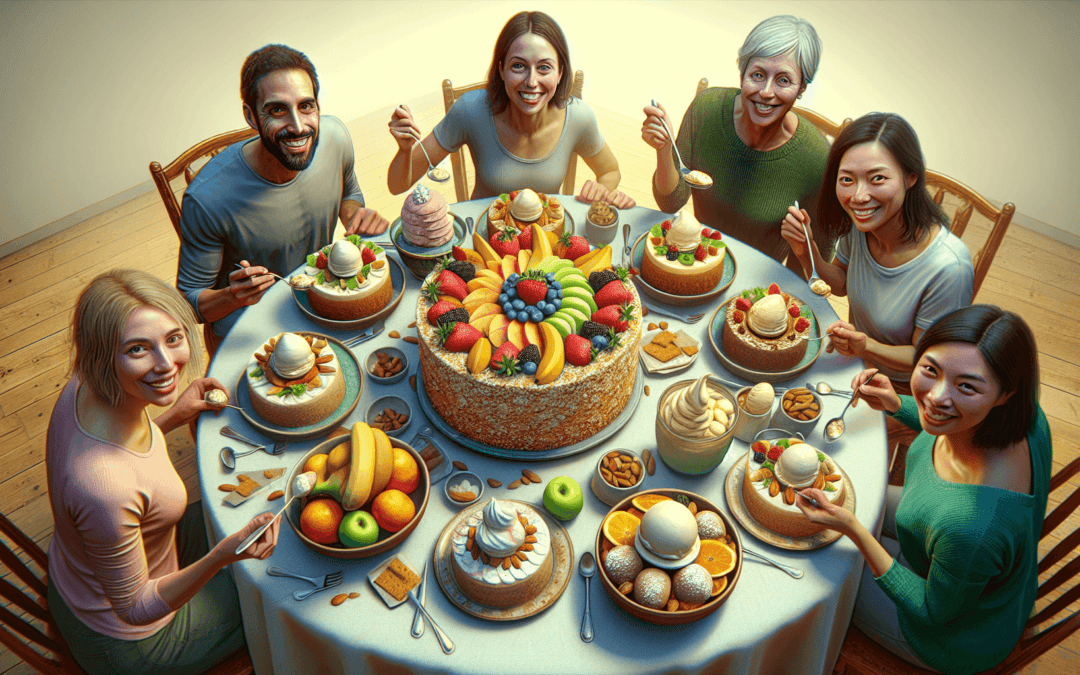
One of the most common laments from diabetic patients is about dessert. Sweets — mithai, kheer, gulab jamun, halwa — are woven into Indian social and family life. Refusing every dessert at every wedding, festival, and family gathering is not just joyless; it is genuinely unsustainable. The better approach is understanding which desserts cause a minimal blood sugar spike, which ones can be modified to be diabetes-friendly, and how much of even a healthy dessert is appropriate.
This guide from Dr. Ram Kumar focuses on the specific Indian context: traditional Indian desserts that are naturally lower-glycaemic, simple modifications that make familiar sweets more diabetes-friendly, and the key principles that determine whether a dessert will spike or spare your blood sugar.
First: Why Do Some Desserts Spike Blood Sugar More Than Others?
The answer lies in the glycaemic index (GI) and glycaemic load (GL) of the dessert.
- Glycaemic Index (GI) measures how quickly a food raises blood glucose relative to pure glucose. Foods above 70 are high-GI (fast blood sugar rise); 56–69 is medium; below 55 is low-GI (slower, smaller blood sugar rise).
- Glycaemic Load (GL) is more practically useful — it accounts for both GI and the actual quantity of carbohydrates eaten. A small amount of a high-GI food may have a modest GL; a large amount of a low-GI food may still significantly raise blood sugar.
A dessert that causes minimal blood sugar impact tends to share some combination of: low or moderate GI ingredients, high fibre content (which slows glucose absorption), protein and healthy fat (which slow stomach emptying and reduce glucose peaks), and small portion size.
An Important Truth: “Natural” Sweeteners Are NOT Free for Diabetics
Many patients — and unfortunately many health articles — suggest that honey, jaggery (gur), dates, and coconut sugar are “safe” alternatives to sugar for diabetics. This is misleading:
| Sweetener | Glycaemic Index | Blood Sugar Impact |
|---|---|---|
| White sugar | 65 | Significant |
| Honey | 55–60 | Nearly as significant as sugar in typical quantities |
| Jaggery (gur) | 84 | Higher GI than white sugar |
| Dates | 42–55 | Moderate — but 1 date = ~18g carbs; portion matters enormously |
| Coconut sugar | 35–50 | Lower GI but still raises blood glucose; not freely usable |
| Stevia | 0 | No blood sugar impact; preferred for diabetics |
| Erythritol | 0 | No blood sugar impact; well tolerated |
For diabetic patients, the practical guidance from Dr. Ram Kumar is: stevia or erythritol are the genuinely blood-sugar-neutral sweeteners. Natural sweeteners can be used in very small quantities but should not be treated as “sugar-free” alternatives. A small amount of jaggery or honey in a recipe (where the total quantity per serving is 1–2 teaspoons) is manageable; using large quantities because they are “natural” will still significantly raise blood sugar.
For a comprehensive diabetic diet guide: Managing Diabetes Through Diet: A Practical Guide for Indian Patients.
10 Indian Desserts That Won’t Spike Your Blood Sugar
1. Chia Seed Kheer (Sabudana Kheer Alternative)
Traditional rice kheer and sabudana kheer are extremely high-GI (white rice GI ~70; sabudana/sago GI ~80+). The Indian chia kheer is a delicious, visually similar alternative with dramatically lower glycaemic impact.
How to make it: Soak 3 tablespoons of chia seeds in 250ml of low-fat milk for 15 minutes, stirring occasionally as the seeds swell and create a kheer-like consistency. Add a pinch of cardamom (elaichi), a pinch of saffron (kesar) dissolved in 1 teaspoon of warm milk, and 1–2 drops of stevia or a teaspoon of erythritol for sweetness. Garnish with finely chopped pistachios and a few strands of saffron. Chill for 30 minutes before serving.
Why it works: Chia seeds are extraordinarily fibre-rich (10g per 2 tablespoons — one of the highest fibre foods available) and also provide protein and omega-3 fatty acids. The combination creates very slow glucose release. Portion: one small bowl (150ml) is appropriate for a diabetic patient.
2. Ragi (Finger Millet) Ladoo
Ragi (nachni/finger millet) has a glycaemic index of approximately 68 — lower than wheat and significantly lower than rice. More importantly, ragi is very high in dietary fibre and calcium, and produces a sustained energy release rather than a glucose spike.
How to make it: Dry roast 1 cup of ragi flour in a kadai on low flame for 10–12 minutes until fragrant (critical step — unroasted ragi is bitter). Separately, roast 2 tablespoons each of sesame seeds (til), peanuts, and dry coconut (kopra) until golden. In a food processor, blend 10–12 pitted dates with 2 tablespoons of water to form a smooth paste. Mix the ragi flour, roasted ingredients, and date paste together thoroughly. Roll into small ladoos (2cm diameter — portion control is key). No additional sugar needed — the dates provide sweetness.
Dr. Ram Kumar’s note: Limit to 1–2 ladoos per serving. The date paste adds natural sugar — portion control matters even when ingredients are healthier.
3. Makhana (Fox Nut) Kheer
Makhana (lotus seeds / fox nuts) have become one of the most popular “superfood” snacks in India — and with good reason for diabetics. They have a low glycaemic index, are high in magnesium, potassium, and antioxidants, and provide protein. A makhana kheer is significantly better for blood sugar than any grain-based kheer.
How to make it: Dry roast 1 cup of makhana in a teaspoon of ghee until slightly crisp and fragrant. Crush half the makhana coarsely (leave half whole for texture). In a saucepan, simmer 400ml low-fat milk until reduced by a third. Add the makhana, cardamom powder, a pinch of saffron, and stevia or erythritol to taste. Simmer on low flame for 8–10 minutes. Serve warm or chilled, garnished with chopped almonds.
4. Fresh Fruit Chaat — India’s Best Natural Dessert
Fruit chaat is underrated as a dessert at home — yet it is genuinely delicious, deeply Indian, requires no cooking, and can be made blood-sugar-friendly by choosing the right fruits. Not all fruits are equal for diabetics:
| Fruit | Glycaemic Index | Diabetic Suitability |
|---|---|---|
| Guava (amrood) | 12 | Excellent — very low GI, very high fibre |
| Papaya (papita) | 58 | Good — moderate GI with high fibre |
| Pear (nashpati) | 38 | Excellent — very high fibre |
| Apple (seb) | 36 | Good — fibre in skin slows absorption |
| Pomegranate (anar) | 35 | Good — antioxidant-rich, moderate GI |
| Kiwi | 50 | Good — Vitamin C, fibre |
| Banana | 51–69 (ripe) | Caution — riper bananas are higher GI; limit to half a banana |
| Mango | 51–60 | Caution — high in natural sugars; limit to 3–4 small pieces |
| Chikoo (sapota) | 55–65 | Caution — high natural sugar content |
| Watermelon (tarbuz) | 72 | High GI — avoid or very small amounts |
Best diabetic fruit chaat: Cubed guava + papaya + pear + pomegranate seeds, tossed with a squeeze of lime, a pinch of black salt (kala namak), roasted jeera powder, and a little chaat masala. Garnish with fresh mint. No added sugar. A diabetic can enjoy a small bowl (approximately 150g total fruit) without significant blood sugar impact.
5. Dark Chocolate (70%+ Cocoa) — A Genuinely Supported Diabetic Treat
Dark chocolate with cocoa content of 70% or above has a glycaemic index of approximately 22 — remarkably low. Cocoa flavanols improve insulin sensitivity and have been shown in multiple clinical trials to reduce cardiovascular risk (particularly relevant for diabetics, who have double the cardiovascular risk). The fibre in high-cocoa chocolate also slows glucose absorption.
The key is quality and quantity: 1–2 squares (20–30g) of 70%+ dark chocolate is an appropriate portion. Brands available in Hyderabad: Lindt 70% and 85%, Amul Dark, Mason & Co (Indian artisan brand). The intense flavour of high-cocoa chocolate means 1–2 squares is genuinely satisfying. “Milk chocolate” (lower cocoa, higher sugar and milk) is not appropriate for diabetics.
Read the label: Total carbohydrates per serving should be below 10g for 30g of chocolate. Avoid “compound” chocolates (no cocoa butter — substituted with vegetable fat and more sugar).
6. Dahi (Curd) with Berries and Nuts — The Indian Yogurt Parfait
Plain unsweetened dahi (curd) is one of the best foods for diabetics — protein and fat slow glucose absorption, probiotics support gut health, and it has a very low GI (18). The Indian version of a yogurt parfait is simply plain home-set curd with fresh fruit and nuts:
Assemble in a glass: 2–3 tablespoons of thick hung curd (strain plain dahi in a muslin cloth for 2 hours) OR Greek-style curd; top with pomegranate seeds, a few fresh strawberries or raspberries if available (low GI berries), a teaspoon of chia seeds, a few walnuts, and a drizzle of 1/2 teaspoon of raw honey OR 1 drop of stevia. The walnuts provide omega-3 fatty acids; the chia seeds add fibre. This dessert has minimal glycaemic impact and takes 2 minutes to assemble.
7. Almond and Walnut Barfi (No-Cook, Date-Sweetened)
Traditional barfi uses large amounts of sugar or condensed milk. This version uses dates for sweetness and nuts as the base — making it genuinely high in healthy fats, protein, and fibre, and far lower-glycaemic than any traditional barfi.
How to make it: In a food processor, blend 1 cup of raw almonds and 1/2 cup of walnuts until finely ground (do not over-process into butter). Add 8–10 pitted Medjool dates (or regular dates soaked in warm water for 20 minutes), 1/2 teaspoon cardamom, a pinch of saffron, and 1 tablespoon of rose water. Process until the mixture comes together into a dough-like consistency. Press firmly into a lined tray to 1cm thickness, refrigerate for 1–2 hours, then cut into small squares. Sprinkle pistachios on top before pressing down.
Serving size for diabetics: 1–2 small squares (25–30g total). These are nutrient-dense — not low-calorie — but the glycaemic impact is much lower than traditional barfi due to the high nut content. Store refrigerated for up to 2 weeks.
8. Ragi Phirni
Phirni is a traditional Indian rice pudding — but using ragi flour instead of rice dramatically lowers the glycaemic impact while maintaining the creamy, fragrant character of the classic dish.
How to make it: Mix 3 tablespoons of ragi flour with 3 tablespoons of cold low-fat milk until smooth (no lumps). In a saucepan, bring 400ml of low-fat milk to a simmer. Slowly pour in the ragi-milk mixture, stirring continuously. Add cardamom, saffron, and stevia or erythritol to taste. Cook on low flame, stirring constantly, for 8–10 minutes until thickened to a phirni consistency. Pour into small clay cups (matkas) and refrigerate for 3–4 hours. Serve chilled, garnished with a rose petal and crushed pistachios.
9. Coconut Ladoo (Low-Sugar Version)
Traditional coconut ladoos use khoa (milk solids) and lots of sugar. This lighter version uses desiccated coconut, a small amount of jaggery (for authenticity and flavour), and milk powder for binding:
How to make it: Dry roast 1 cup of desiccated coconut in a pan for 2–3 minutes. Add 1/4 cup of low-fat milk powder and 1 tablespoon of grated jaggery (no more — and this is the only sweetener). Add 2–3 tablespoons of warm low-fat milk and mix well. The mixture should hold its shape when pressed. Roll into small balls, roll each in desiccated coconut. Refrigerate for 30 minutes to set.
Key: Keep the ladoos small (2cm diameter) and limit to 1–2 per serving. The coconut and milk powder provide protein and healthy fat that buffer the small amount of jaggery.
10. Banana Oat Pancakes (No Sugar Added)
A simple, quick, and genuinely diabetes-friendly dessert (or breakfast) using only 3 ingredients. The fibre from oats, combined with the natural sweetness of a ripe banana, creates something that feels like a dessert but has moderate glycaemic impact.
How to make it: Mash 1 ripe banana thoroughly. Mix in 1/2 cup of rolled oats (oat daliya) and 1 egg (or 1 tablespoon of ground flaxseed + 2.5 tablespoons water as an egg substitute). Add 1/4 teaspoon cinnamon. The batter will be thick. Cook small pancakes on a non-stick tawa with a minimal amount of oil, on medium-low heat, 2 minutes each side. Serve with a small amount of fresh curd on the side.
Diabetic note: One banana contains approximately 27g of carbohydrates, which is not negligible. This recipe makes 4–6 small pancakes — limit to 2–3 per serving, and pair with a protein (dahi, nuts) to slow glucose absorption.
General Principles for Diabetic Dessert Choices
- Watch portion size above all else — even a low-GI dessert can spike blood sugar if eaten in large quantities. A small bowl of kheer is appropriate; a large serving is not.
- Pair desserts with protein and fat — eating nuts alongside a sweet, or having dahi with a fruit dessert, significantly slows glucose absorption
- Walk for 15 minutes after eating — a brisk 15-minute walk after meals reduces post-meal blood glucose by 10–30% in diabetics; this is one of the most effective practical tools for managing dessert-related glucose spikes
- Check your glucose 2 hours after the dessert — home glucose monitoring tells you how your individual body responded; everyone’s post-meal glucose response is somewhat individual
- Avoid “sugar-free” labeled Indian sweets — many commercial “sugar-free” mithai use maltitol or maltitol syrup, which have nearly the same blood sugar impact as regular sugar; check the ingredient list for erythritol or stevia (the genuinely blood-sugar-neutral alternatives)
- Timing matters — blood sugar spikes are lower when carbohydrates are eaten at the end of a meal (after protein and vegetables) rather than at the beginning
A Note on Diabetes Medication and Sweets
Patients on certain diabetes medications (sulphonylureas such as glimepiride; insulin) face a real risk of hypoglycaemia (low blood sugar) if they eat significantly less carbohydrate than usual. Conversely, eating extra dessert on top of regular medications can cause significantly elevated blood sugar. If you are attending a special occasion where more sweets will be consumed, discuss with your doctor in advance whether a temporary dose adjustment is appropriate. Do not stop or reduce your diabetes medications without medical guidance.
For the full diabetes diet guide: Managing Diabetes Through Diet: A Practical Guide for Indian Patients. For the Hyderabad-specific guide: Diabetes Diet in Hyderabad: What to Eat and Avoid.
Frequently Asked Questions
Is honey safe for diabetics instead of sugar?
No — not in meaningful quantities. Honey has a glycaemic index of 55–60, which is only marginally lower than white sugar (GI 65). A tablespoon of honey contains approximately 17g of carbohydrate and will raise blood sugar significantly in a diabetic. Honey is often promoted as a “natural” and therefore “healthy” alternative to sugar — but the sugar content is nearly identical. For blood-sugar-neutral sweetening, stevia or erythritol are the appropriate choices for diabetics. A very small amount of honey (1/2 teaspoon) added to a dessert that otherwise contains fibre, fat, and protein is manageable — but honey should not be used liberally as a sugar substitute.
Can diabetics eat jalebi or gulab jamun at a wedding?
These are among the highest-GI sweets in Indian cuisine — deep-fried, soaked in sugar syrup, and rapidly absorbed. A single gulab jamun contains approximately 25–30g of sugar and has a very high GI. Occasional consumption of a single small piece at a social event, followed by a 15-minute walk, is unlikely to cause a catastrophe in a well-controlled diabetic on medication. Eating multiple pieces regularly is problematic. The better approach at weddings and festivals is to enjoy 1 small piece (not two, not three), eat it after the main meal rather than first, check glucose 2 hours later, and inform your doctor if your post-occasion readings are consistently high so medication adjustments can be considered.
What Indian fruit is safest for diabetics?
Guava is arguably the best fruit for diabetics in India — it has an extraordinarily low GI of 12, is high in fibre, rich in Vitamin C, and widely available year-round in Hyderabad. Papaya, pear, and pomegranate are also good choices. Fruits to limit: mango (high natural sugar, though a few pieces at peak season is fine), banana (moderate GI, higher in ripe banana), chikoo, and grapes. Watermelon has a high GI and should be consumed in small amounts. For the full fruit guide: Managing Diabetes Through Diet.
Are “sugar-free” sweets from sweet shops safe for diabetics?
Often not — despite the label. Many commercial sugar-free Indian sweets (available at Mithai shops in Gachibowli and Hydershakote during Diwali and Eid) use maltitol as the sweetener. Maltitol has a glycaemic index of 52 — nearly as high as table sugar — and causes significant blood sugar elevation. Read the ingredient label: the only sweeteners that do NOT raise blood sugar are erythritol and stevia. Sorbitol and xylitol have modest blood sugar effects. Maltitol should be treated essentially as sugar by diabetics. If you see “maltitol” on a “sugar-free” sweet label, it is not safely blood-sugar-neutral.
Related Health Guides
This article is for general health information only and is not a substitute for personal medical advice. In an emergency, call 112 or go to the nearest hospital.
Related Articles
- Managing Diabetes Through Diet: A Practical Guide for Indian Patients
- Diabetes Diet in Hyderabad: What to Eat and Avoid
- Can Diabetics Eat Biryani? A Hyderabad Doctor’s Honest Answer
- Blood Sugar 200 After Eating: What It Means and What to Do
- Healthy Protein Snacks for Diabetics
- Diabetes Treatment in Gachibowli