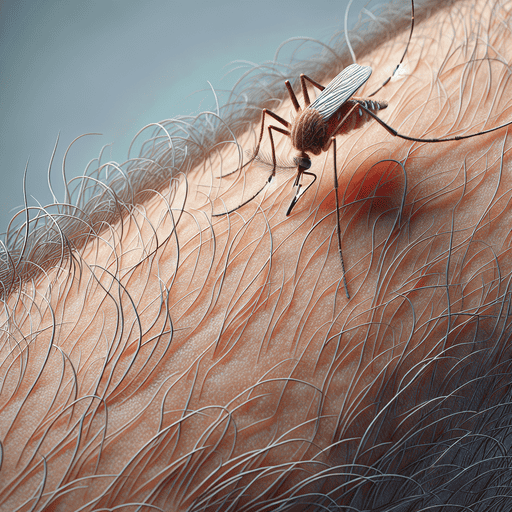
Every monsoon season, Hyderabad sees a sharp and predictable surge in dengue fever — and every year, patients in Gachibowli and surrounding areas make the same dangerous mistake: they feel the fever breaking on Day 4 or 5, assume they are recovering, and stop monitoring their platelet count. This is precisely the moment when dengue becomes most dangerous. The fever breaking is not recovery — it is the beginning of the critical phase of dengue, the 48–72 hour window during which platelet count crashes, plasma leaks out of blood vessels, and serious complications develop.
Dr. Ram Kumar (MBBS, MD General Medicine, MPH USA) has managed hundreds of dengue cases every monsoon season across Gachibowli, Hydershakote, Suncity, Langar House, and surrounding areas. His approach is built around three principles: early accurate diagnosis, rigorous platelet monitoring through the critical phase, and clear guidance on exactly when to manage at home and when to go to hospital.
What Is Dengue Fever? Understanding the Virus
Dengue fever is caused by the Dengue virus — a single-stranded RNA flavivirus with four distinct serotypes: DENV-1, DENV-2, DENV-3, and DENV-4. This is clinically critical information: infection with one serotype confers lifelong immunity to that serotype only — but when you are subsequently infected with a different serotype, the pre-existing antibodies from the first infection actually worsen the second — a phenomenon called antibody-dependent enhancement (ADE). This is why second dengue infections are typically more severe, and why patients with dengue history are at significantly higher risk of severe dengue on reinfection with a different strain.
Dengue is transmitted exclusively by Aedes aegypti mosquitoes (and to a lesser extent Aedes albopictus). These mosquitoes bite primarily during the day — particularly in the early morning (2 hours after sunrise) and late afternoon (2 hours before sunset) — which is why daytime mosquito protection is critical during dengue season. Aedes aegypti is a highly urban mosquito that breeds in small, clean, stagnant water collections: flower pot saucers, overhead tanks, cooler water trays, water storage drums, and even bottle caps. Dengue does not spread from person to person.
Dengue Season in Hyderabad: When to Be Most Alert
In Hyderabad, dengue follows a highly predictable seasonal pattern. Cases begin rising in July as the monsoon creates stagnant water breeding sites across Gachibowli, Hydershakote, Suncity, and surrounding areas. The peak is typically in August–October, with cases declining as the weather cools in November. Dengue can also occur outside this peak period but at lower rates. See our complete guide to monsoon diseases in Hyderabad for the full seasonal picture.
The Three Phases of Dengue Fever — A Clinical Guide
Understanding dengue’s three distinct phases is essential for every patient, caregiver, and family in Gachibowli. Missing the transition from Phase 1 to Phase 2 is the most common reason patients end up in serious trouble.
Phase 1: The Febrile Phase (Day 1–3)
The febrile phase begins with the sudden, dramatic onset of high fever — typically above 39–40°C (102–104°F). This is the phase most patients recognise as “dengue.” Classic features include:
- Sudden high fever — 39–40°C or above, often with rigors (shaking chills)
- Severe headache — typically frontal (forehead) and behind the eyes (retro-orbital pain on eye movement). The retro-orbital pain is strongly suggestive of dengue.
- “Breakbone fever” — severe myalgia (muscle pain) and arthralgia (joint pain) throughout the body; this nickname reflects the intensity of the musculoskeletal pain
- Facial flushing — reddening of the face
- Nausea and vomiting
- Mild bleeding manifestations — easy bruising, petechiae (small red dots under the skin from tiny haemorrhages), positive tourniquet test
- Rash — a macular or maculopapular rash typically appears 3–5 days after fever onset, often described as “islands of white in a sea of red”
On CBC during Phase 1: white cell count (WBC) begins to fall (leukopenia) and platelet count starts declining. NS1 antigen test is most sensitive in Phase 1 (Days 1–5).
Phase 2: The Critical Phase (Day 4–6) — The Dangerous Window
This is the phase that catches patients and families off guard. Around Day 4–5, the fever often drops suddenly — and this feels like improvement. It is not. This temperature drop coincides with the most dangerous period of dengue: plasma leaks from blood vessels into surrounding tissue (capillary leak), platelet count reaches its lowest point, and the risk of haemorrhage and organ failure peaks.
Critical phase features:
- Fever defervescence (breaking of fever) — the misleading “improvement”
- Rapid platelet decline — may fall below 50,000 or even 20,000 /μL in severe cases
- Plasma leakage — plasma shifts from blood vessels into pleural space (around lungs) and abdominal cavity; causes falling haematocrit ratio, pleural effusion, and ascites
- Haemodynamic compromise — in severe cases, blood pressure falls (dengue shock syndrome)
- Haemorrhage — severe bleeding from any site: nose, gums, gastrointestinal tract, uterus
This is the 48–72-hour window that requires the most intensive monitoring. Patients must not be left without medical supervision during Phase 2.
Phase 3: The Recovery Phase (Day 7–10)
If the patient survives the critical phase without major complications, reabsorption of leaked fluids begins. Platelet count starts rising (often quite rapidly — from 20,000 to 100,000+ within 24–48 hours). Appetite returns, urine output increases, and the patient begins to feel genuinely better.
Paradoxically, the recovery phase carries its own risk: fluid overload. Patients who received excessive IV fluids during the critical phase (a common error) may develop pulmonary oedema (fluid in the lungs) during reabsorption. Dr. Ram Kumar carefully balances fluid management throughout all three phases to prevent this complication.
Dengue Warning Signs — The WHO Criteria for Urgent Hospitalisation
The following warning signs, established by the World Health Organization (WHO), indicate that dengue is progressing to severe disease and that immediate hospitalisation is required. If any of these are present, go directly to a hospital emergency facility or call for help — do not wait for a routine doctor’s visit:
- Abdominal pain or tenderness — severe or persistent abdominal pain is a red flag for internal bleeding or marked plasma leakage
- Persistent vomiting — 3 or more episodes in an hour, or vomiting that prevents any oral fluid intake
- Clinical fluid accumulation — rapid build-up of ascites (abdominal fluid), pleural effusion (visible or symptomatic)
- Mucosal bleeding — bleeding from nose or gums that is heavy or does not stop; blood in vomit, stool, or urine
- Lethargy or restlessness — sudden, dramatic change in level of alertness or unusual agitation
- Liver enlargement — liver greater than 2cm below the ribs on examination
- Rapid clinical deterioration — the patient looks much sicker despite fever resolving
- Rising haematocrit with rapidly falling platelet count — a specific pattern on serial CBC indicating haemoconcentration (plasma loss)
Understanding Your Platelet Count in Dengue
Platelet count monitoring is the cornerstone of dengue management. Here is what different platelet levels mean:
| Platelet Count (/μL) | Significance | Management |
|---|---|---|
| Above 150,000 | Normal | Monitor as clinically indicated |
| 100,000–150,000 | Mild thrombocytopenia; dengue typical | Daily CBC monitoring; outpatient care |
| 50,000–100,000 | Moderate thrombocytopenia | Daily–twice daily CBC; close outpatient monitoring or admission |
| 20,000–50,000 | Significant thrombocytopenia; bleeding risk | Hospital admission strongly recommended; avoid any trauma |
| Below 20,000 | Severe thrombocytopenia; high haemorrhage risk | Emergency hospital admission; possible platelet transfusion |
Important fact: Platelet transfusion is NOT routinely required in dengue even at very low platelet counts, unless there is active significant bleeding. The body recovers its own platelet count as the virus clears — typically rising 24–48 hours after the peak of the critical phase. Indiscriminate platelet transfusion can cause complications and does not improve outcomes in dengue without active bleeding. Dr. Ram Kumar follows evidence-based criteria for platelet transfusion recommendations.
For detailed guidance on foods that support platelet recovery during dengue, see: What to Eat in Dengue to Increase Platelet Count: Indian Foods That Help.
Dengue Diagnosis
Clinical Assessment
Dr. Ram Kumar assesses: the day of illness (crucial — Day 1 vs Day 4 require completely different management approaches), height of fever, pain pattern (retro-orbital pain, body aches), bleeding manifestations, fluid intake and urine output, and the presence of any warning signs. A tourniquet test (inflating a blood pressure cuff for 5 minutes and counting petechiae) is performed to detect capillary fragility.
Dengue-Specific Tests
- NS1 Antigen Test — detects dengue viral antigen directly; most accurate in Days 1–5 of illness. A rapid point-of-care test giving results within 15–20 minutes. Positive NS1 confirms dengue during the febrile phase.
- Dengue IgM / IgG Antibody Test — IgM antibodies appear from Day 4–5 of illness and persist for 2–3 months. IgG appears later and persists for life. A positive IgM in the appropriate clinical context confirms dengue. A positive IgG without IgM in a patient with dengue symptoms suggests a secondary infection (second dengue — higher risk of severe disease).
- Combined NS1 + IgM/IgG rapid test — the most practical first-line test, covering both early and later presentations.
Complete Blood Count (CBC) — The Most Important Monitoring Tool
Serial CBC is the backbone of dengue monitoring. Dr. Ram Kumar establishes a CBC monitoring schedule based on the day of illness and the initial platelet count:
- Days 1–3 (febrile phase): CBC every 24 hours; establishing the downward trend
- Days 4–6 (critical phase): CBC every 12–24 hours for outpatients; every 6–12 hours for hospitalised patients
- Day 7 onwards: CBC every 24–48 hours until platelet count is clearly rising and above 50,000
The haematocrit (PCV) is as important as the platelet count — a rising haematocrit indicates plasma leakage (haemoconcentration) and imminent haemodynamic compromise.
Additional Investigations
- Liver function tests (SGPT, SGOT) — dengue causes hepatic inflammation; elevated transaminases are common and usually self-limiting; very high levels (above 1000 IU/L) indicate severe dengue hepatitis
- Blood glucose — essential in diabetic patients where dengue disrupts glucose control
- Abdominal ultrasound — identifies early pleural effusion, ascites, gallbladder wall thickening (a marker of dengue), and hepatosplenomegaly
- Chest X-ray — in patients with respiratory symptoms, to identify pleural effusion
Dengue Treatment — Outpatient Management
The majority of dengue patients — those without warning signs, with platelets above 50,000, and who can maintain adequate oral fluid intake — can be safely managed as outpatients with close monitoring. This avoids unnecessary hospitalisation while ensuring that the critical phase is not missed.
Fluid Management — The Most Important Treatment
There is no specific antiviral drug for dengue. The cornerstone of treatment is meticulous fluid management. The goal is to maintain adequate circulating volume to prevent dengue shock, while avoiding fluid overload that causes pulmonary oedema in the recovery phase.
Oral fluid targets for outpatient dengue management:
- Adults: 2–3 litres of fluid daily — spread across the day in small, frequent sips
- The best fluids for dengue: ORS (oral rehydration solution), coconut water, nimbu pani (lime water without sugar), fresh fruit juices (not packaged), and plain water
- Coconut water is particularly valuable — it replaces electrolytes lost through fever and vomiting, provides natural sugars for energy, and is well-tolerated even with nausea
- Monitor urine output: passing urine at least every 6 hours is a reliable sign of adequate hydration
For a complete guide to the best foods and drinks during dengue: What to Eat in Dengue to Increase Platelet Count: Indian Foods That Help.
Fever Management — Paracetamol Only
Paracetamol (Crocin, Dolo 650) is the only safe antipyretic (fever-reducing medication) in dengue. Adult dose: 500–1000mg every 4–6 hours as needed; maximum 4000mg in 24 hours.
Critically important: Ibuprofen, aspirin, diclofenac, naproxen, and all other NSAIDs are absolutely contraindicated in dengue. These medications inhibit platelet function and increase bleeding risk on top of dengue’s own thrombocytopenia — a combination that can cause life-threatening haemorrhage. Ibuprofen is widely available over the counter in Hyderabad and is frequently self-prescribed for fever and pain — this is dangerous in dengue. Dr. Ram Kumar instructs every dengue patient explicitly: paracetamol only.
Rest
Complete rest during the febrile and critical phases — physical activity increases metabolic demand and may worsen haemodynamic compromise during the critical phase.
When to Hospitalise — Dr. Ram Kumar’s Decision Framework
Dr. Ram Kumar advises hospital admission for dengue patients with any of the following:
- Any WHO dengue warning sign (see above)
- Platelet count below 20,000 /μL
- Platelet count below 50,000 with any spontaneous bleeding
- Haematocrit rising more than 20% above baseline (indicates significant plasma leakage)
- Inability to maintain oral fluids due to persistent vomiting
- Oxygen saturation below 95%
- Altered consciousness or confusion
- Dengue in a diabetic patient with uncontrolled blood sugar
- Pregnancy with dengue
- Social circumstances that prevent reliable follow-up
Home Care During Dengue — Practical Day-by-Day Guide
Days 1–3 (Febrile Phase): Diagnosis and Monitoring Begins
- Get an NS1 test and first CBC done
- Take paracetamol only for fever (no ibuprofen)
- Drink 2.5–3 litres of fluids daily — ORS, coconut water, nimbu pani, soups
- Rest completely; avoid going to work or school
- Eat light, easily digestible foods: khichdi, moong dal soup, thin porridge, banana
- Return to your doctor the next day for CBC review
Days 4–6 (Critical Phase): The Most Careful Period
- This is the danger window even if the fever breaks — do not relax monitoring
- CBC every 24 hours minimum (or as directed by Dr. Ram Kumar)
- Strictly maintain fluid intake even if appetite and thirst decrease
- Watch for warning signs at every moment: abdominal pain, vomiting, bleeding, sudden deterioration in alertness
- If warning signs appear at any time of day or night — go directly to hospital emergency
- Continue paracetamol if any residual fever; absolutely no NSAIDs
Days 7–10 (Recovery Phase)
- Platelet count should begin rising; confirm with CBC
- Appetite returns; gradually resume normal diet
- Continue CBC monitoring every 1–2 days until count is clearly above 50,000 and trending upward
- Avoid all strenuous physical activity until platelet count is above 100,000 and Dr. Ram Kumar gives clearance
- Fatigue may persist for 2–4 weeks after recovery — this is normal post-dengue asthenia
Dengue in Special Populations
Dengue in Diabetic Patients
Dengue and diabetes is a particularly challenging combination. High blood sugar impairs immune function and makes dengue more severe. Dengue fever simultaneously destabilises blood sugar dramatically — requiring more frequent glucose monitoring and often significant medication adjustments. All diabetic patients with dengue should be managed closely by Dr. Ram Kumar, and the threshold for hospitalisation is lower.
Dengue in Pregnancy
Dengue in pregnancy carries significant risks for both mother and baby — preterm labour, foetal distress, neonatal dengue, and maternal haemorrhage are all recognised complications. All pregnant women with suspected dengue should be assessed promptly and hospitalisation arranged for close monitoring.
Preventing Dengue in Gachibowli — Hyderabad-Specific Guidance
Aedes aegypti breeds specifically in small, clean, stagnant water in and around homes. Eliminating breeding sites in your own home is the single most effective prevention measure and takes less than 10 minutes per week:
- Empty and scrub cooler trays and air cooler water tanks weekly — desert air coolers are among the most productive dengue mosquito breeding sites in Hyderabad homes. Scrub the walls of the cooler tray with a brush to remove mosquito eggs (which resist drying).
- Cover all water storage containers tightly — overhead tanks, drums, and pots
- Remove saucers from flower pots or change the water daily
- Clear discarded tyres, coconut shells, and waste containers — any container that holds water is a breeding site
- Change water in flower vases and animal water bowls at least twice weekly
- Ensure roof gutters are not blocked and draining freely
- Daytime mosquito protection — use mosquito repellent (DEET or picaridin-based) on exposed skin during early morning and late afternoon hours; wear full-sleeved clothing
- Use screens on windows and doors — Aedes aegypti also bites indoors during the day
The Dengue Vaccine
A dengue vaccine (Qdenga / Takeda TAK-003) has received approval in several countries and is being evaluated for rollout in India. It provides protection against all four dengue serotypes without the risk of ADE (antibody-dependent enhancement) seen with the earlier Dengvaxia vaccine. Dr. Ram Kumar will update patients as vaccination becomes available through Indian public health channels. Currently, mosquito control and personal protection remain the primary prevention strategies in Hyderabad.
Frequently Asked Questions — Dengue Treatment in Gachibowli, Hyderabad
How do I know if I have dengue or just viral fever?
Both start with sudden high fever and body aches. Key features specifically suggesting dengue: severe pain behind the eyes (retro-orbital pain) when moving the eyeballs, extremely severe muscle and joint pain (“breakbone” intensity), a characteristic rash appearing around Day 3–5, and — on blood test — thrombocytopenia (falling platelet count) with leukopenia (falling white cell count). The most reliable way to know is an NS1 antigen test, which gives results within 20 minutes. Read: Dengue vs Viral Fever vs Typhoid: How to Tell the Difference.
What is the normal platelet count and when does it become dangerous in dengue?
Normal platelet count is 150,000–400,000 per microlitre. In dengue, platelets typically begin falling from Day 3 and reach a nadir (lowest point) around Day 5–7. A platelet count below 50,000 warrants consideration of hospital admission; below 20,000 is an emergency requiring hospitalisation. However, platelet count alone does not determine severity — it must be interpreted alongside clinical features, haematocrit, and warning signs.
Should I take ibuprofen for dengue fever and pain?
Absolutely not. Ibuprofen, aspirin, naproxen, and all NSAIDs are strictly contraindicated in dengue. They impair platelet function and increase bleeding risk on top of dengue’s own platelet suppression. Use paracetamol only (Crocin, Dolo 650) for fever and pain relief in dengue.
My dengue fever broke on Day 5. Does that mean I am recovering?
Not necessarily — and this is the most dangerous misunderstanding in dengue management. When the fever breaks around Day 4–6, the platelet count is often at or near its lowest point and plasma leakage is at its peak. Many patients mistake this fever break for recovery and stop monitoring — only to deteriorate rapidly within 24 hours. Continue your daily CBC monitoring through Days 4–7 even if you feel better. Do not stop medical supervision when the fever breaks.
Do I need a platelet transfusion if my count is very low?
Platelet transfusion is not routinely needed in dengue even at very low counts, unless there is active significant haemorrhage. Evidence shows that the body’s platelet count recovers on its own as the dengue virus clears — typically within 24–48 hours of the critical phase peak. Indiscriminate platelet transfusion carries risks (transfusion reactions, fluid overload, infection) and does not improve outcomes in dengue without active bleeding. Dr. Ram Kumar follows evidence-based criteria and will recommend transfusion only when specifically indicated.
Can dengue recur? Can I get dengue again?
Yes — dengue can recur because there are four distinct serotypes (DENV-1 to DENV-4). A previous infection provides permanent immunity only to that specific serotype. You remain susceptible to the other three. Critically, a second infection with a different serotype is typically more severe than the first due to antibody-dependent enhancement. This makes dengue prevention through mosquito control particularly important for people who have already had dengue once.
What Indian foods help increase platelet count during dengue?
Foods specifically recommended to support platelet recovery in dengue include: papaya leaf juice (very strong evidence in multiple clinical trials for accelerating platelet recovery), kiwi, pomegranate, guava, coconut water, wheatgrass juice, and giloy (Tinospora cordifolia) decoction. For a complete, practical Indian food guide: What to Eat in Dengue to Increase Platelet Count: Indian Foods That Help.
Related Health Guides
This article is for general health information only and is not a substitute for personal medical advice. In an emergency, call 112 or go to the nearest hospital.
Related Articles
- What to Eat in Dengue to Increase Platelet Count: Indian Foods That Help
- Dengue vs Viral Fever vs Typhoid: How to Tell the Difference in Hyderabad
- 7 Monsoon Diseases Rising in Hyderabad Right Now
- Fever Treatment in Gachibowli
- Malaria Treatment in Gachibowli
- Typhoid Fever Treatment in Gachibowli
- Chikungunya Treatment in Gachibowli
Trackbacks/Pingbacks